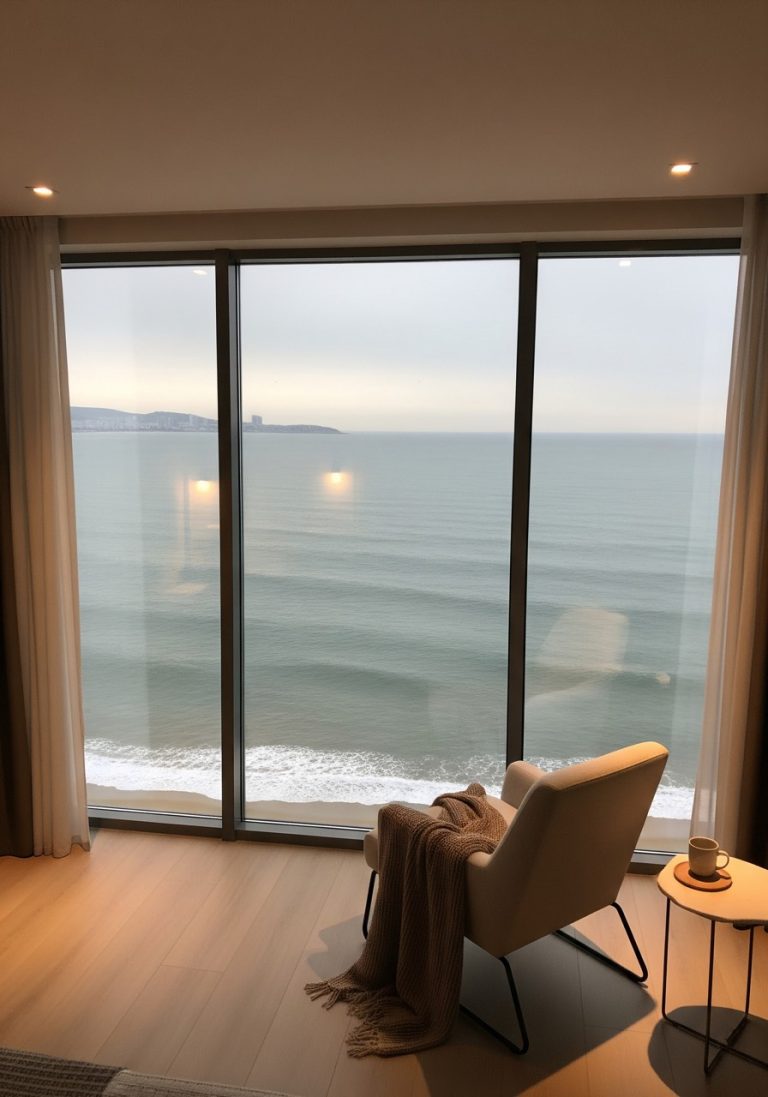
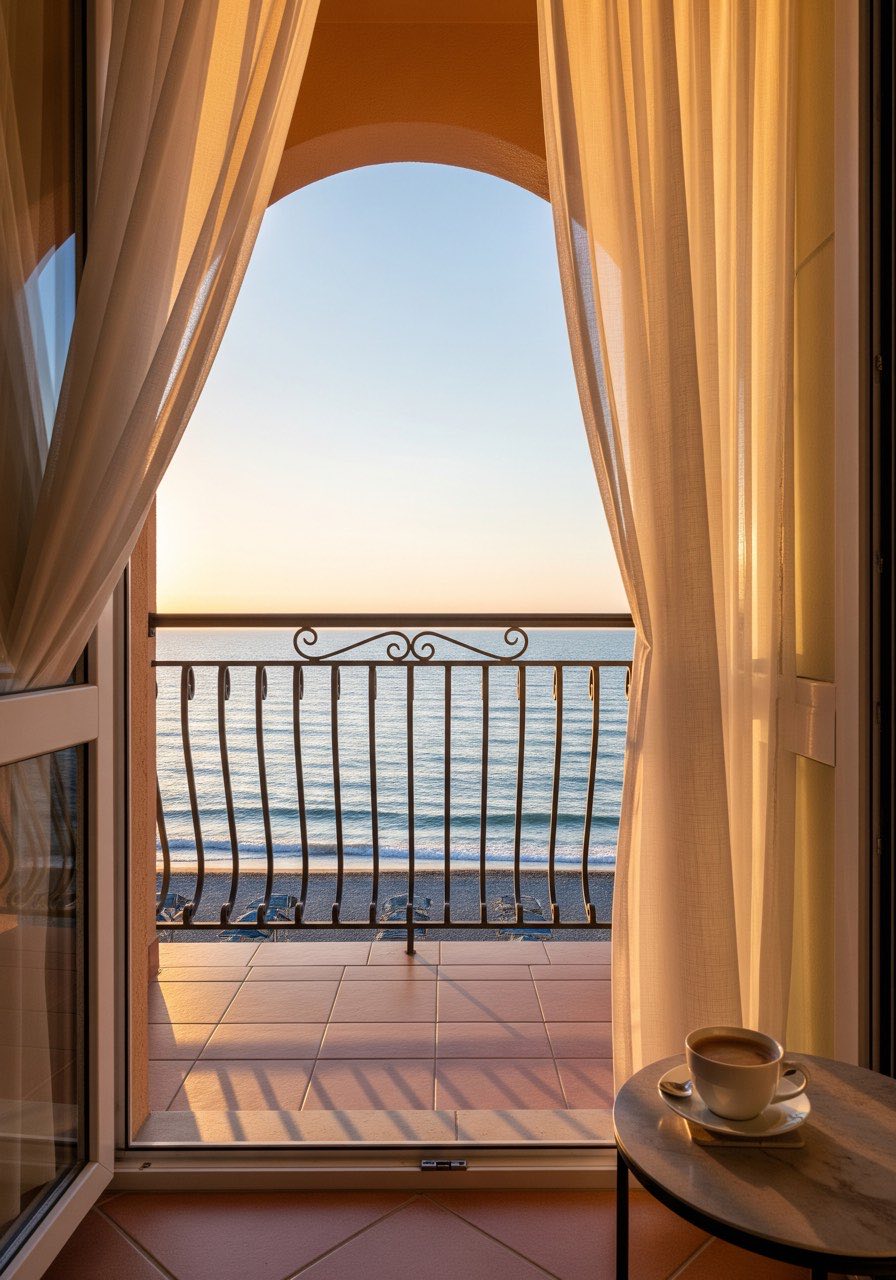
Stop Renting Someone Else’s Holiday Apartment
Every August, the same scene.
You pack on Thursday evening because by Friday at 10am you have to hand back the keys. The children are still asleep, and you are already moving through the apartment checking: cups where they should be, no chips in the mirror, no stains on the sofa. You find the small mark in the wall from when your older child dropped a toy, and you stand there wondering whether it will come out of the deposit.
You leave. Not home — to the airport. And the apartment stays. Someone else’s.
I have been working with property buyers on Bulgaria’s Black Sea coast for over four years. People come to me regularly who have been renting the same apartment for three, four, five consecutive years. They love the area. Their children know the route to the beach from the entrance door. And at some point they start asking the question that leads them to me: “How much have we actually paid in rent?”
Let us work it out.
The Maths of Renting vs Buying
A decent weekly rental in Ravda or Sunny Beach in July or August runs €600–900 for a studio or small apartment. In peak season, a good property by the water can reach €1,000–1,200 per week. Taking the middle figure: €800 per week.
Two weeks’ holiday per year: €1,600 per season.
Over four years: €6,400.
That is money that has gone. Into the owner’s account, into the agency, into nothing. Without a single square metre of ownership to show for it.
Now the other side of the equation.
A studio in Ravda or Sunny Beach — depending on the complex, floor, and condition — costs from €28,000 to €45,000 on the secondary market. The deposit at signing is typically 10% of the purchase price: €3,000–4,500 to proceed.
That means four years of holiday rental already amounts to half — or sometimes the full — deposit required to begin a purchase.
I am not saying buying is always better than renting. That is not true, and I will say so directly in the section on downsides. But if you are returning to the same place every year, the question is no longer “buy or rent” — it is “how long am I prepared to keep paying for someone else’s apartment.”
A Real Example: A Couple from Krakow
One of my clients is a Polish-Ukrainian couple — both work remotely. He is in tech, she is in marketing. They visited Ravda twice a year: two weeks in summer and a few days in May. They rented the same studio each time from an owner they knew, at €650 per week.
After their third season, they came to me with a question: could they buy something similar, and what would it actually cost?
We found a studio in a small complex in Ravda — 32 m², overlooking the garden, pool within walking distance, 600 metres to the beach. Price: €35,000. The property was a direct sale from the owner, no agency chain, with Act 16 confirmed — the building occupancy permit that confirms the building is legally commissioned and fit for habitation.
The transaction completed over three trips to Bulgaria. They now own the apartment.
They stay for roughly eight months of the year in total, working from there. For the remaining four months they rent it out through a short-term rental platform. This is not “passive income” in the marketing sense — it is real money that partially covers the complex maintenance fee (taksa za poddarzhka), the property tax, and occasionally a minor repair.
What they told me after their first summer in their own apartment: “We no longer check the cups before we leave.”
What Changes When the Apartment Is Yours
This is difficult to explain to someone who has never owned a seaside property. But I will try.
The keys stay with you. Literally and in every other sense. You do not book. You do not wait for an owner to reply. You just go.
Your things stay there. The mattress that suits you. The coffee machine you bought. The child’s travel cot you assembled once and never took apart again. The sunscreen in the bedside drawer. Small details that turn a place into a place.
Children build a relationship with it. They know the route to the sea, where the best ice cream is, the name of the boy from the ground floor flat. This is not a tourist experience — it is a place they consider their own. That matters more than it sounds.
You stop counting down to departure. Because you can come back. Not next year — in two months. For a week, for a long weekend, for a working month.
I am not romanticising property ownership. It is an asset with obligations. But the feeling of going to your own place rather than a rental is genuinely different.
Some listings come with a developer payment plan — apartments in instalments.
Honest Downsides
I am not the kind of agent who only talks about the good parts. Here is what you should know before making a decision.
The maintenance fee. This is the annual charge for complex upkeep: security, grounds, pool, lift. The amounts vary — from €300 to €1,200 or more per year depending on the complex’s level of service. It is a fixed, unavoidable cost. More detail in the dedicated article on maintenance fees in Bulgaria.
Property tax. Small, but real. For a studio at €35,000 — approximately €50–70 per year. The exact amount depends on the tax-assessed value and the municipality.
If you do not plan to rent it out. The apartment sits empty for part of the year. That is fine, but it requires forward thinking: how is it ventilated, who checks if a pipe bursts in October while you are not there.
If you do plan to rent it out. You need a management company or a trusted person on the ground. That means additional cost and responsibility. Remote self-management is work — not passive income.
Buying requires travel. Remote purchase is possible via a notarially certified power of attorney, but most clients visit at least once. That is normal, and it is worth it.
For a full breakdown of purchase costs — notary, translation, registration — see the full cost of buying in Bulgaria.
Who This Makes Sense For
Buying a seaside apartment is not right for everyone. Here is who it genuinely suits:
Families who visit every year. If you have been coming to Bulgaria for two or three consecutive years and intend to continue, the maths favours buying. Five years of a two-week annual holiday rental at typical prices adds up to €8,000–12,000 that builds no equity.
Those who want a place, not a tourist experience. If what matters to you is children growing up in the same location each summer, and a sense of a second home rather than a series of holidays — that comes with ownership.
Remote workers. Bulgaria is an EU and Schengen member. For EU and Polish citizens, there are no time restrictions. For Ukrainian nationals in the current context, it offers a stable, legally straightforward base from which to work.
Those thinking about it as an investment. Coastal property in Bulgaria recorded growth of 15–18% in 2025. If you are viewing the purchase as a financial asset as well as a lifestyle decision, that is a conversation worth having with the numbers in front of you — not with a brochure.
Frequently Asked Questions
How much does a studio by the sea in Bulgaria cost in 2026?
On the secondary market in Ravda and Sunny Beach: from €28,000 to €50,000 depending on the complex, floor, and distance to the water. New builds in Sveti Vlas are priced higher. Browse current listings in the property catalogue.
Can a foreigner buy an apartment in Bulgaria?
Yes. EU citizens purchase without restrictions. Non-EU buyers — including Ukrainians, Israelis, and others — purchase apartments directly as individuals without restrictions. Only a land plot without a building requires a Bulgarian legal entity (EOOD). The step-by-step process is covered in the guide for foreign buyers.
Can you buy remotely, without visiting Bulgaria?
Technically yes, via notarial power of attorney. In practice, I recommend visiting at least once to see the apartment and complex in person. Most buyers who do so say it was the right call. More detail in the remote purchase article.
Ravda or Sunny Beach — which is better for a family?
Ravda is quieter. Sunny Beach has more infrastructure but more noise and density. For families with younger children, I more often recommend Ravda — calmer, less crowded, and manageable distances. Schools are nearby if you are considering longer stays.
Is it realistic to rent the apartment when you are not there?
Yes — but it requires organisation. You need a management company or a reliable person locally. Yield depends heavily on the complex, the apartment’s condition, and the platform. Without exaggerating: a well-managed studio in season generates €3,000–6,000 over the summer. That is not passive income without effort, but it is a real figure.
What is Act 16 and why does it matter?
Act 16 is Bulgaria’s official building occupancy permit. Without it, you cannot legally register as a resident and there may be complications with utility connections. I do not show properties without Act 16.
What taxes does a property owner pay in Bulgaria?
Annual property tax and a waste collection charge. For a studio at €35,000 — approximately €60–100 combined per year. Full breakdown in the Bulgaria tax guide.
Where do I start if I want to look at options?
Contact me directly or browse the property catalogue. I work only within my region — Ravda, Sunny Beach, Sveti Vlas, Nesebar — and I know every property I show. No random listings, no rush.
All current listings — apartments in Sunny Beach. Prices, sizes and floors in the catalogue.
That summer when you handed back the keys for the last time — it could have been the last time.
Next August can be different: you leave when you choose. The keys stay with you.
Browse studios and apartments by the sea
Vikki Dronova, EGOIST Estate, Sveti Vlas