Winter in Sveti Vlas: What Life by the Sea Actually Looks Like
I live in Sveti Vlas year-round. Including winter.
Every September, when the last tourists leave and the beaches empty, I start receiving the same message: “Vikki, are you really staying?” Yes. I stay. Fourth year running.
This question — “what is it actually like in winter?” — has become one of the most common in my inbox. I understand why. There is almost nothing online about the Bulgarian Black Sea coast in winter. Tourist websites show summer photos and hotels that close in October. There are no first-hand accounts from someone who actually walks to the supermarket here in January.
I am writing this for exactly those questions. Without the glossy version and without trying to persuade you of anything. Just honest, as it is.
What Is Open and What Is Not
Let me separate two places that people often conflate: Sunny Beach and Sveti Vlas. These are very different stories.
Sunny Beach in winter is close to a ghost town.
There is no point in hiding this. Sunny Beach is a purely tourist resort. In summer, hundreds of restaurants, shops, and entertainment venues operate. In winter, a handful are consistently open: the Chaika restaurant and a few establishments attached to hotels that operate year-round. Most bars and clubs are closed until May. The shopping streets are shuttered. If you have purchased an apartment in Sunny Beach with plans to live there in winter, you need to understand honestly: for everyday infrastructure you will be going to Nesebar or Burgas.
For a more detailed comparison of the two locations, see Sunny Beach or Sveti Vlas: What to Choose.
Sveti Vlas in winter is a normal small town.
This is a different story. Sveti Vlas is not only a resort — people live here permanently. So in winter the following operates:
- Two supermarkets (one near the centre, one at the main entrance to the town)
- A medical centre — doctors, diagnostics, pharmacy
- A school and kindergarten
- Several restaurants — including year-round establishments that become something of a local community hub in the off-season
- An ATM, post office, bank
- A car repair garage
Not Barcelona. But not nothing. Adequate for daily life. Enough to spend January without feeling like you are living on a boarded-up resort. I live here in winter — I can confirm directly: it is a functional small town, not a summer set.
The nearby Ravda is also alive in winter — it has its own year-round infrastructure and permanent residents, a good alternative if you want something a bit larger.
Weather
This is probably the most pleasant surprise for people visiting here for the first time in January.
Winter on Bulgaria’s Black Sea coast is mild. Average daytime temperatures in December and January: around +6–8°C. Below zero does happen but rarely and briefly. Snow is an event that locals photograph and send to family group chats.
Rainy — yes. Particularly November and December. Grey days can stretch into weeks. Be prepared for that. I will not say there are “many sunny days” — in November there genuinely are not. But what people here call “cold” is what I, having grown up with proper winters, would call late autumn.
Walking along the promenade in January is entirely possible. Sea wind, an empty beach, the smell of salt. There is something distinct about it.
March and April are different again. Longer days, +15–18°C, the sea is still cold but the landscape comes alive quickly. That is when I start genuinely loving this place again after winter.
Who Lives Here in Winter
Sveti Vlas in winter is not empty. There are several distinct groups of year-round and seasonal residents, and this matters.
Bulgarian families. Locals who work in Nesebar, Burgas, or run businesses in the area. For them, Sveti Vlas is simply where they live — not a resort.
Retirees from Europe. Germans, Austrians, British — there are quite a few here. They buy apartments and overwinter on the coast: cheaper, warmer, and quieter than at home.
International community. After 2022, this segment has grown noticeably. People who initially arrived “temporarily” are putting down roots — children are attending local schools, small businesses are opening. In winter we interact more closely than in summer, when everyone disperses.
Remote workers. Freelancers, people in tech. They are attracted by the combination: solid internet (fibre available in most complexes), quiet surroundings, and a reasonable cost of living. Seasonality is irrelevant to them — they work from wherever.
In winter there is a small but genuine community here. Everyone broadly knows each other. That is different from summer, when you are surrounded by thousands of strangers and do not even notice your neighbours.
All current listings — apartments in Sveti Vlas. Prices, sizes and floors in the catalogue.
What It Costs
Being specific here, because “not expensive” means nothing.
A couple without children, renting an apartment (not owners), can live in Sveti Vlas in winter within roughly this budget:
| Item | Monthly cost |
|---|---|
| Rent on a 1-bedroom apartment | €350–500 |
| Utilities (heating matters in winter) | €100–150 |
| Food | €300–400 |
| Transport (car or bus to Burgas) | €80–120 |
| Restaurants and cafes | €100–150 |
| Other (household, pharmacy, leisure) | €80–100 |
| Total | ~€1,000–1,400 |
This is a realistic range — not rock-bottom, not inflated. If you own your apartment, subtract rent but add higher winter utilities (electric heating or a heat pump), which run more than in summer.
Food in Bulgarian supermarkets is cheaper than in most EU countries. Local restaurants too. Lunch in a Nesebar cafe in winter: €6–10 with a drink. Coffee: €1.50–2. The scale is different from Western European prices.
What I Like About Winter
The quiet. That sounds clichéd, but winter is when I understand why I chose this place.
In summer, Sveti Vlas means tourists, traffic on the main road, packed beaches, and queues in the supermarket. In winter, I walk to the promenade and meet three people with dogs and a fisherman. This is my sea. Not borrowed, not a resort fixture — mine.
I enjoy being able to drive to Nesebar in December and walk through the old town without crowds. Old Nesebar in winter is a completely different place — quiet, genuine, with cats on the cobblestones and cafes open only for locals.
I value the community. In winter you see who actually lives nearby, rather than who is renting for the summer. Connections form that turn out to matter later.
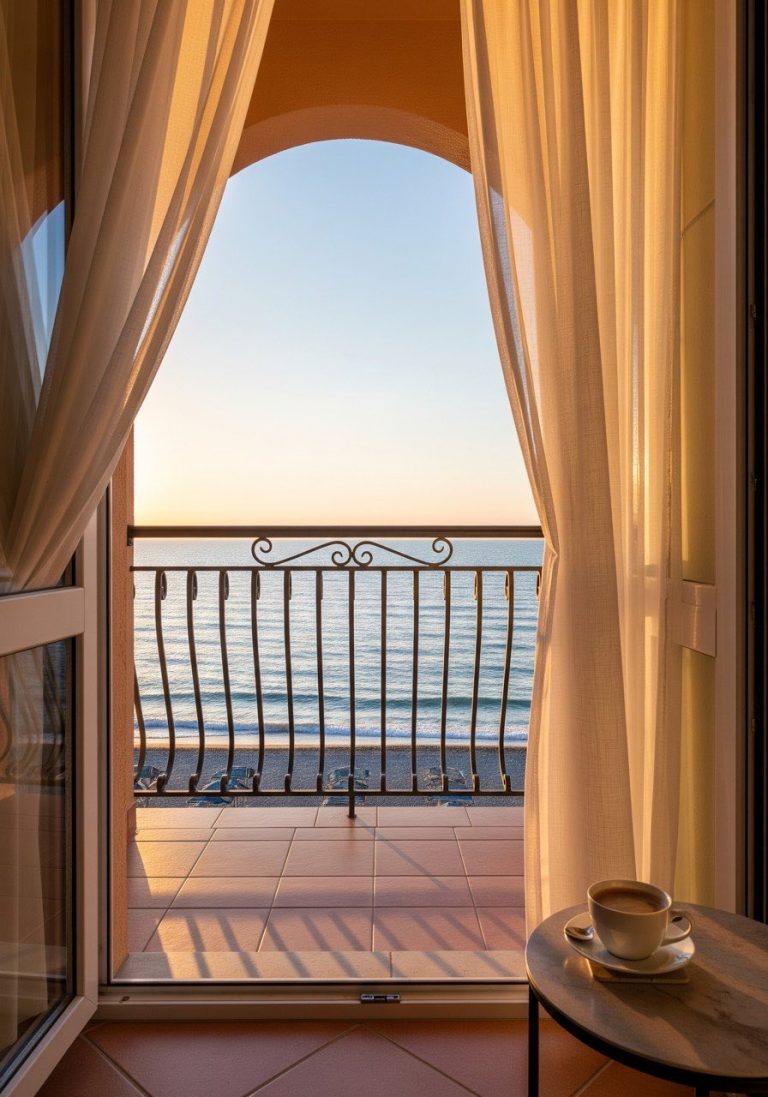
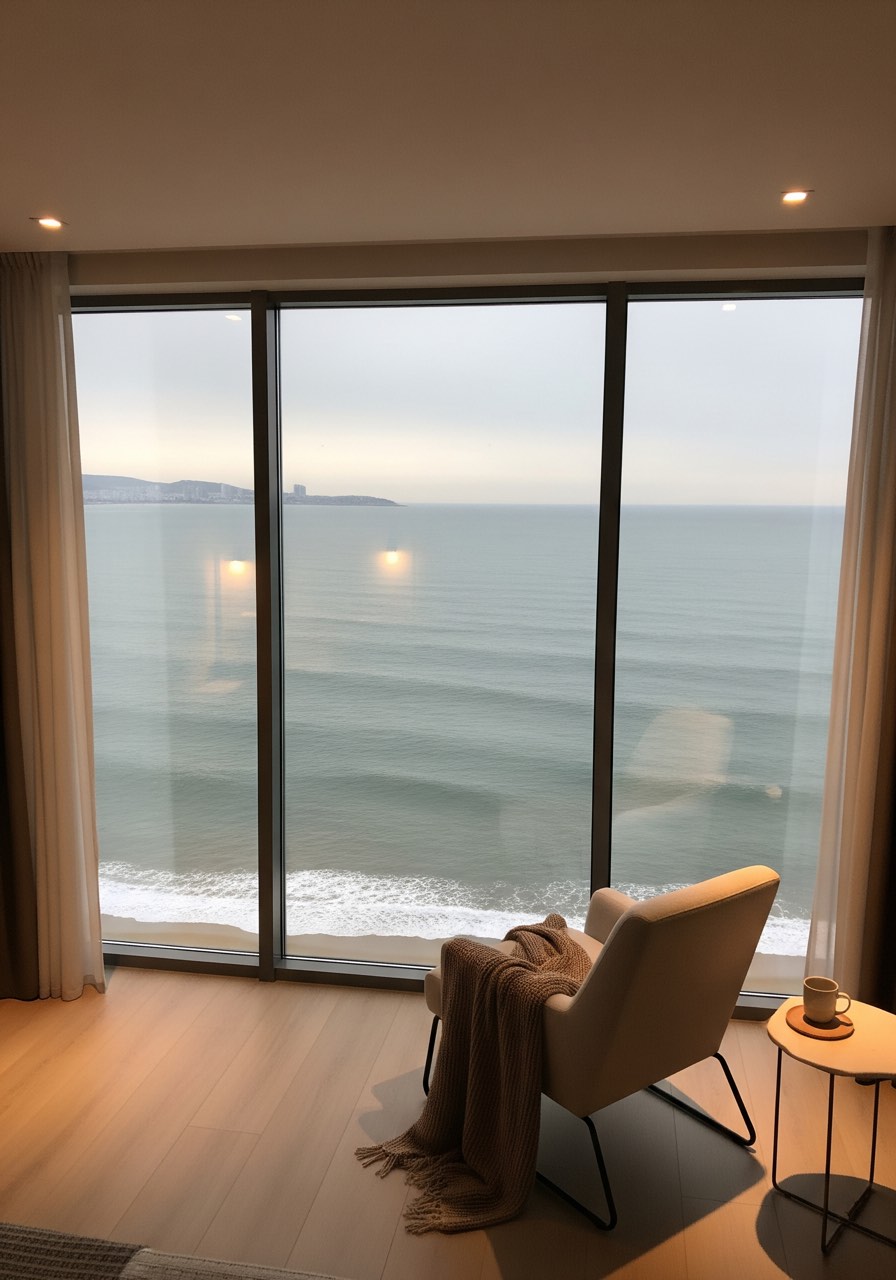
And the sea. Especially in January when no one is there. I do not swim — I am not that hardy. But looking at the winter Black Sea with a cup of coffee is an experience that is hard to put into words.
What I Do Not Like — Honestly
I will not pretend everything is ideal.
Limited leisure options. In winter there is no cinema, no shopping centre, no theatre, no developed cultural scene. The nearest proper shopping mall is in Burgas, 30–35 km away. If you need new impressions every weekend, winter Sveti Vlas will leave you bored.
A car is necessary. Without personal transport, winter is difficult. Buses run but infrequently. You can get to Burgas by bus, but it is not always convenient. A car is not optional — it is a requirement.
Some restaurants close. The places that operate in summer and that I like close in winter. You adapt to a smaller selection — decent, but smaller.
November is grey. That is simply a fact. November here is grey and wet. If you are prone to seasonal mood dips, be aware of this. December is already better; January–February are quite comfortable. But November requires reserves.
Healthcare. The local medical centre in Sveti Vlas covers basic needs. For specialist care, you go to Burgas. The city hospital there is adequate by Bulgarian standards — but if you are accustomed to private clinics in a major city, the difference will be noticeable.
Frequently Asked Questions
Can you live in Sveti Vlas without a car in winter?
You can, with limitations. Basic infrastructure — a shop, pharmacy, cafe — is within walking distance. Buses go to Nesebar and Sunny Beach. To Burgas: also by bus, but 2–3 times daily. If you work remotely and rarely go out, you can manage. For active mobility, a car is essential.
Is the internet reliable in winter?
In most residential complexes — yes. Fibre broadband is available. I work online year-round without internet issues. Mobile data: standard Bulgarian coverage, full signal across the coast.
Does it snow?
Rarely and briefly. Over four winters here, I have seen snow twice — and it melted by the next morning. Nothing to prepare for.
What do you do in the evenings in winter?
Honestly: you shift to a home-based rhythm. Cooking, watching series, reading, socialising with neighbours. Occasional trips to Burgas for a restaurant or cinema. Winter here is about slow living, not entertainment.
Is there a school for children?
Yes. Sveti Vlas has a primary school. For older children, Nesebar has a larger school with bus transport. Children pick up Bulgarian quickly.
How is healthcare in winter?
The local medical centre operates. Family doctor available, basic tests can be done. For specialist care: Burgas, 30–35 minutes by car. Emergency services operate.
Is getting a residence permit for long-term living difficult?
It is a substantial topic on its own. Briefly: with property ownership, it is possible — but there are details. I am not an immigration lawyer and I do not provide legal residency advice, but I help with the questions that relate to property as a first step. Get in touch and we can work through it.
Should I buy an apartment specifically for winter living?
It depends entirely on location. For winter residence, I would look at Sveti Vlas, Nesebar, or Ravda — not Sunny Beach. Sunny Beach in winter is closed and uncomfortable to live in. In Sveti Vlas and Nesebar the infrastructure is there. Browse the property catalogue filtering for “year-round living” — I flag suitable properties specifically for that use case.
Ready-to-move furnished homes — resale apartments by the sea.
What to Do Next
If this has not put you off — your expectations are realistic.
Winter in Sveti Vlas is not for everyone. It is not a resort with endless entertainment. It is a quiet life by the sea, minimal noise, a small community, and a view of the Black Sea from your window in January.
For me — it works. For people who value calm, space, and a slower pace — it likely will too.
If you are thinking about buying an apartment in this region — not as a speculative investment, but to actually live here — contact me. I will show you only what I genuinely see value in. No rush and no sales pressure.